


In a corporate culture obsessed with titles and hierarchy, Clay Scroggins presents a counter-intuitive truth: you do not need a title to be a leader. This book dismantles the “waiting for permission” mindset, arguing that true leadership is about influence, not authority. Scroggins offers a roadmap for cultivating that influence right where you are, regardless of where your name sits on the organizational chart.
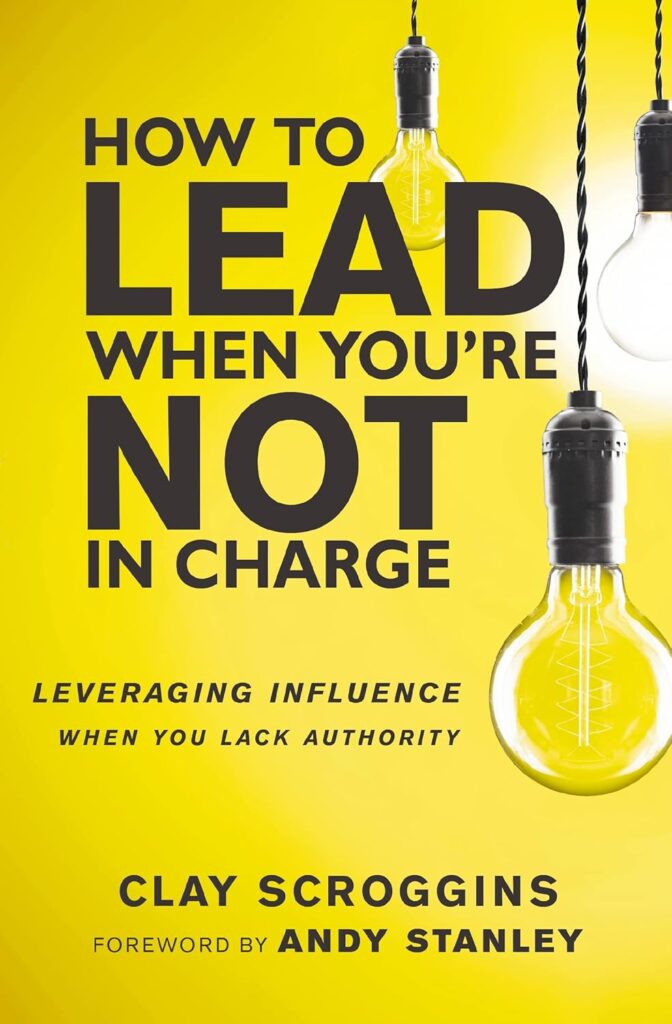
How to Lead When You’re Not in Charge.
Who Is This Book For?
This book is an excellent resource for:
- Young Professionals & Entry-Level Employees: Those just starting their careers who feel powerless to make changes.
- Middle Managers: Individuals stuck in the “messy middle” who report to a boss but also manage a team.
- Aspiring Leaders: Anyone waiting for a promotion before they start acting like a leader.
- Church and Ministry Leaders: Given the author’s background, the examples resonate deeply with those in ministry, though the principles apply universally.
Key Takeaways & Themes
- The Myth of Authority: Scroggins argues that authority is often a hindrance to leadership, not a prerequisite. Influence is the currency that actually moves things forward.
- Lead Yourself First: You cannot lead others effectively until you have mastered self-leadership. This involves managing your own emotions, schedule, and energy.
- Choosing Positivity: A critical behavior for leading without authority is canceling negativity. Leaders are dealers in hope, and cynicism destroys influence.
- Thinking Like a Boss: The author encourages readers to look at problems through the lens of their superiors—not to criticize, but to understand the broader context and offer solutions that actually help.
What Makes It Stand Out
What distinguishes this book from standard business leadership manuals is its conversational and empathetic tone. Clay Scroggins writes not as a CEO looking down, but as someone who spent years in the “middle” of a large organization (North Point Community Church).
Unlike dry academic texts, this book uses humor and personal anecdotes to make the concepts stick. It also addresses the emotional struggle of wanting to lead but being told to wait, validating the frustration many ambitious employees feel.
Note: While the principles are applicable to any business, the book is written from a Christian perspective. The examples often draw from church environments, which gives it a unique flavor compared to standard corporate guides like Good to Great.
Pros & Cons
Pros:
- Highly Actionable: The advice isn’t theoretical; it offers specific behaviors you can adopt immediately (e.g., “The critical questions to ask your boss”).
- Empowering: It shifts the locus of control from “my boss won’t let me” to “what can I do today?”
- Easy to Read: The writing style is engaging, witty, and fast-paced.
Cons:
- Religious Context: Some secular readers may find the frequent references to ministry or faith-based examples distracting, though the business principles remain solid.
- Repetitive at Times: Some readers feel the core message—”influence over authority”—is restated frequently throughout the chapters.
Reader Reviews Snapshot
Here is a summary of what real readers are saying across major platforms:
- The “Lightbulb Moment”: Many reviewers mention that this book completely changed their perspective on their current job, helping them stop complaining and start contributing.
- Praise for Practicality: Readers frequently highlight the “Lead Yourself” section as the most valuable part of the book.
- The “Church” Divide: A minority of reviewers were expecting a strictly secular business book and were surprised by the religious undercurrents. However, most agree the leadership lessons transcend the setting.
Final Thoughts
How to Lead When You’re Not in Charge.
How to Lead When You’re Not in Charge is a refreshing antidote to passivity in the workplace. It is arguably one of the best books available for understanding the distinction between positional power and personal influence.
If you are frustrated by your lack of authority or feel like your potential is being wasted while you wait for a promotion, this book is your wake-up call. It is best suited for early-to-mid-career professionals who are ready to stop waiting and start leading.
Contact us
We would love to hear from you! Here’s how you can reach us:
Feel free to reach out with any questions, concer


