


Books to Heal in 2026: If 2025 was a year of noise and rapid change, 2026 is the year we return to the roots. When the modern world feels overwhelming, there is a profound relief in turning to books that have stood the test of time—works that have healed generations before us.
True healing is rarely found in the “newest” trend; it is found in the deep, enduring truths of the human experience. At Moroccan Readers, we believe that to move forward, sometimes we must look back. We have curated a list of the absolute best books of all time for emotional restoration. These are the anchors. These are the texts that do not just offer advice, but offer a home for your weary spirit.
Here are the timeless books to heal with in 2026.
I. The Solace of Spirit & Poetry
Words that bypass the mind and speak directly to the soul.
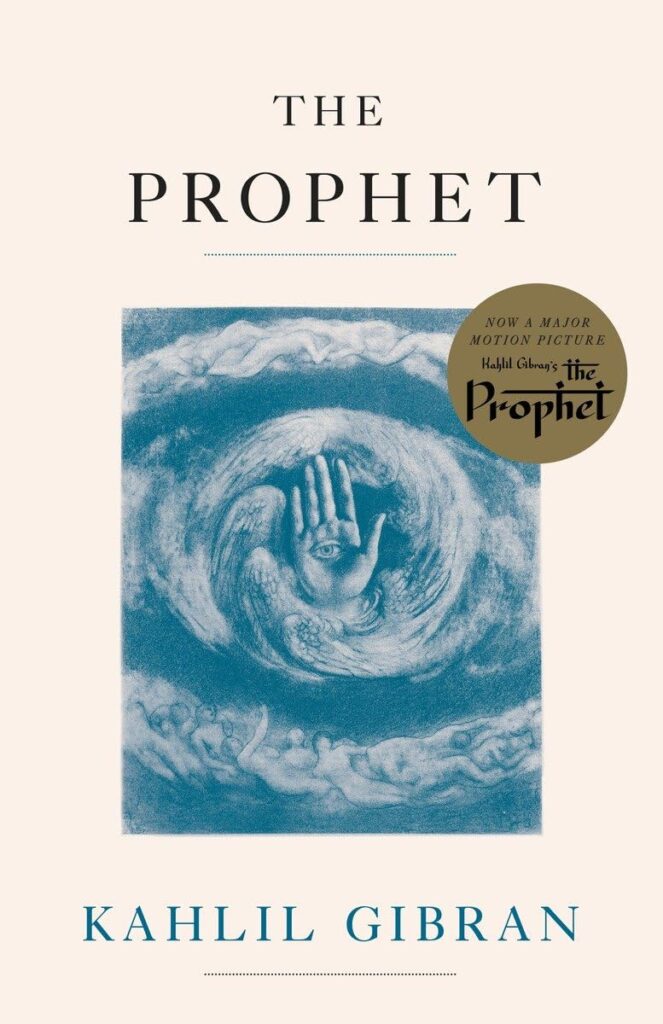
The Prophet by Kahlil Gibran
Genre: Poetry / Philosophy
A timeless collection of poetic essays where a prophet, Almustafa, shares profound wisdom on life’s great subjects—love, work, joy, sorrow, and freedom—before boarding a ship to his homeland.
Who Is This Book For?
Ideal for spiritual seekers, lovers of poetry, and anyone feeling lost in the complexities of modern life. It is perfect for those who want bite-sized wisdom they can meditate on daily.
Key Takeaways or Themes:
- Joy and Sorrow are Inseparable: One cannot exist without the other; the deeper your sorrow carves into your being, the more joy you can contain.
- Work is Love Made Visible: Finding meaning in our daily labor is a path to spiritual fulfillment.
- Love is Freedom: True love does not possess; it stands together yet allows space for individual growth, like pillars of a temple.
What Makes It Stand Out:
Gibran’s voice is unique—mystical yet grounded, bridging the gap between Eastern spirituality and Western thought. Unlike rigid self-help, it feels like a song. It doesn’t tell you what to do; it reminds you of who you are.
Pros & Cons:
- Pros: Beautifully lyrical, universally applicable, and short enough to read in one sitting but deep enough to study for a lifetime.
- Cons: The archaic, biblical style of language may not appeal to readers who prefer direct, modern prose.
Reader Reviews Snapshot:
Readers globally describe this as a “Bible for those with no religion.” It is frequently cited as a book people return to during every major life transition (marriage, grief, career change).
Final Thoughts:
A masterpiece of comfort. If you only read one book to soothe your soul this year, let it be this one. It is a gentle reminder of the beauty inherent in being human.
Where to Get It:
👉 You can check out [The Prophet] on Amazon to explore reader reviews and formats available.
II. The Architecture of Meaning
Finding light when the dark feels absolute.
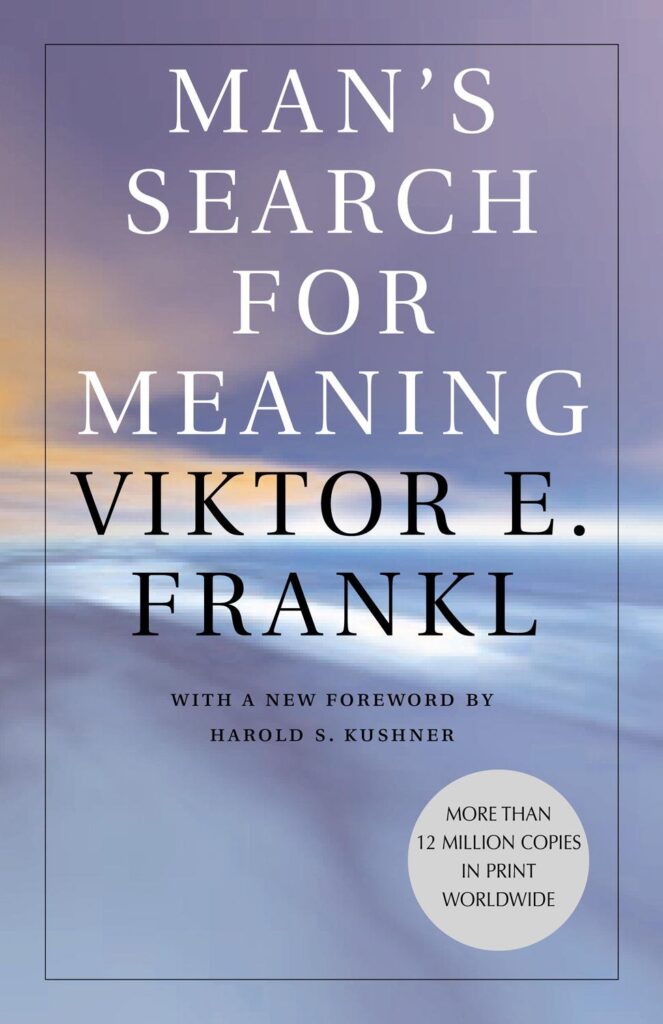
Man’s Search for Meaning by Viktor E. Frankl
Genre: Memoir / Psychology
Psychiatrist Viktor Frankl chronicles his survival in Nazi concentration camps and introduces “logotherapy”—the theory that our primary drive in life is not pleasure, but the discovery of meaning.
Who Is This Book For?
Readers facing deep despair, grief, or an existential crisis. It is for anyone asking, “What is the point of all this suffering?”
Key Takeaways or Themes:
- The Last Human Freedom: Everything can be taken from a man but one thing: the last of the human freedoms—to choose one’s attitude in any given set of circumstances.
- Meaning in Suffering: Suffering ceases to be suffering at the moment it finds a meaning, such as the sacrifice of a parent for a child.
- He Who Has a ‘Why’: Quoting Nietzsche, Frankl argues that he who has a why to live for can bear almost any how.
What Makes It Stand Out:
This is not armchair philosophy; it is wisdom forged in the fire of the worst human experience imaginable. Its credibility is absolute. It shifts the focus from “what can I get from life?” to “what does life expect from me?”
Pros & Cons:
- Pros: Profoundly life-changing perspective; short and potent; validates suffering without wallowing in it.
- Cons: The first half (the camp experiences) is harrowing and emotionally difficult to read.
Reader Reviews Snapshot:
Reviewers often say this book “saved their life.” It is widely regarded as one of the most influential books ever written, with readers appreciating its lack of sugar-coating.
Final Thoughts:
This is the ultimate book on resilience. It will not just heal you; it will strengthen you. A necessary companion for 2026.
Where to Get It:
III. The Journey of the Self
Fables that guide us back to our personal legend.
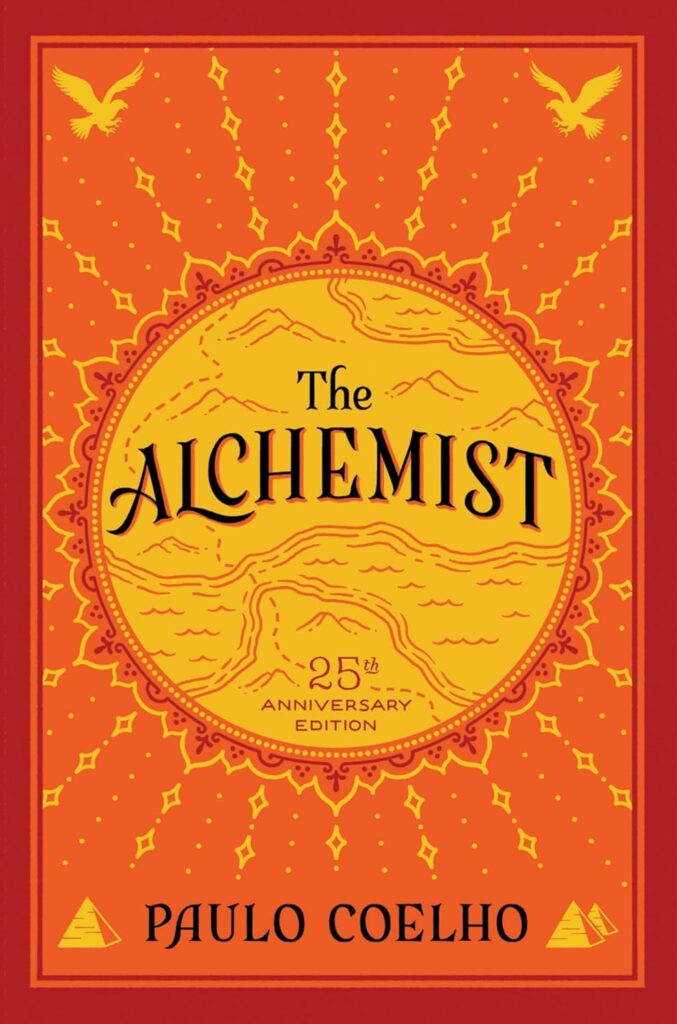
The Alchemist by Paulo Coelho
Genre: Fiction / Adventure
The enchanting story of Santiago, an Andalusian shepherd boy who travels to the Egyptian pyramids in search of a worldly treasure, only to find riches far different—and more satisfying—than he ever imagined.
Who Is This Book For?
Dreamers, travelers, and anyone at a crossroads in their career or life path. It is perfect for those who feel they have ignored their calling.
Key Takeaways or Themes:
- The Personal Legend: We all have a destiny we are meant to fulfill, but fear and routine often distract us.
- The Universe Conspires: When you want something, all the universe conspires in helping you to achieve it.
- Fear of Suffering: The fear of suffering is worse than the suffering itself.
What Makes It Stand Out:
Its simplicity is its power. Coelho writes in a fable-like style that feels ancient and universal. It reads less like a novel and more like a myth passed down by ancestors.
Pros & Cons:
- Pros: Uplifting, easy to read, and filled with quotable wisdom. A perfect “reset” button for a cynical mind.
- Cons: Some readers find the allegory too simple or the message slightly repetitive.
Reader Reviews Snapshot:
Fans call it “magical” and “inspiring,” often gifting it to friends starting new chapters. Critics sometimes label it as “simple self-help disguised as fiction,” but its global impact is undeniable.
Final Thoughts:
A modern classic that reignites the spark of hope. If you have forgotten how to dream, Santiago’s journey will remind you.
Where to Get It:
👉 You can check out [The Alchemist] on Amazon to explore reader reviews and formats available.
IV. Healing the Vessel
Understanding how our biology holds our biography.
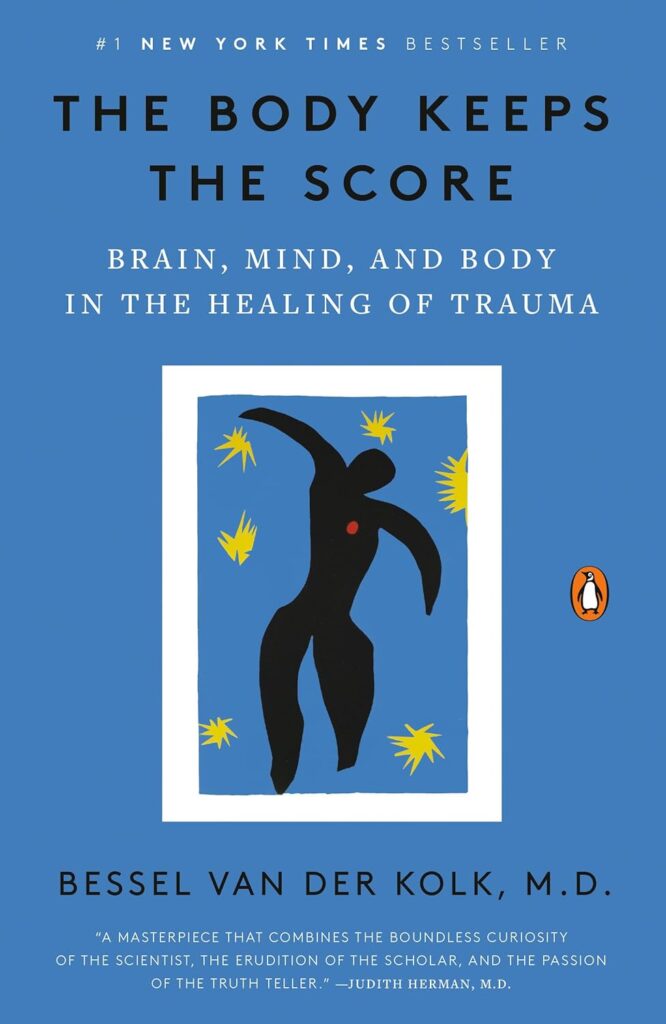
The Body Keeps the Score by Bessel van der Kolk
Genre: Psychology / Science
A pioneering researcher transforms our understanding of trauma, revealing how it literally reshapes the body and brain—and offering innovative paths to recovery beyond just talk therapy.
🔹 Who Is This Book For?
Anyone who has experienced trauma, chronic stress, or burnout. Also essential for those trying to understand a loved one’s struggles with PTSD or anxiety.
🔹 Key Takeaways or Themes:
- Trauma Lives in the Body: Trauma is not just a memory; it is a physiological change in the body that needs physical (somatic) release.
- Connection is Key: Healing requires feeling safe in our bodies and with others.
- Beyond Talk Therapy: Activities like yoga, theater, and movement are crucial for rewiring the brain after trauma.
🔹 What Makes It Stand Out:
It bridges the gap between cold science and deep human empathy. Van der Kolk validates physical symptoms (like chronic pain or fatigue) that doctors often dismiss as “all in your head.”
🔹 Pros & Cons:
- Pros: incredibly comprehensive, scientifically backed, and validating. It empowers readers with knowledge about their own physiology.
- Cons: Dense and can be triggering; it is a heavy read that requires time and breaks.
🔹 Reader Reviews Snapshot:
Widely celebrated as the “bible of trauma recovery.” Readers frequently mention finally understanding why they react the way they do after years of confusion.
🔹 Final Thoughts:
If you are tired of fighting your own mind, this book offers a truce. It is the definitive guide to understanding what has happened to you—and how to move forward.
🔹 Where to Get It:
V. Embracing the Chaos
Learning to stay when we want to run.
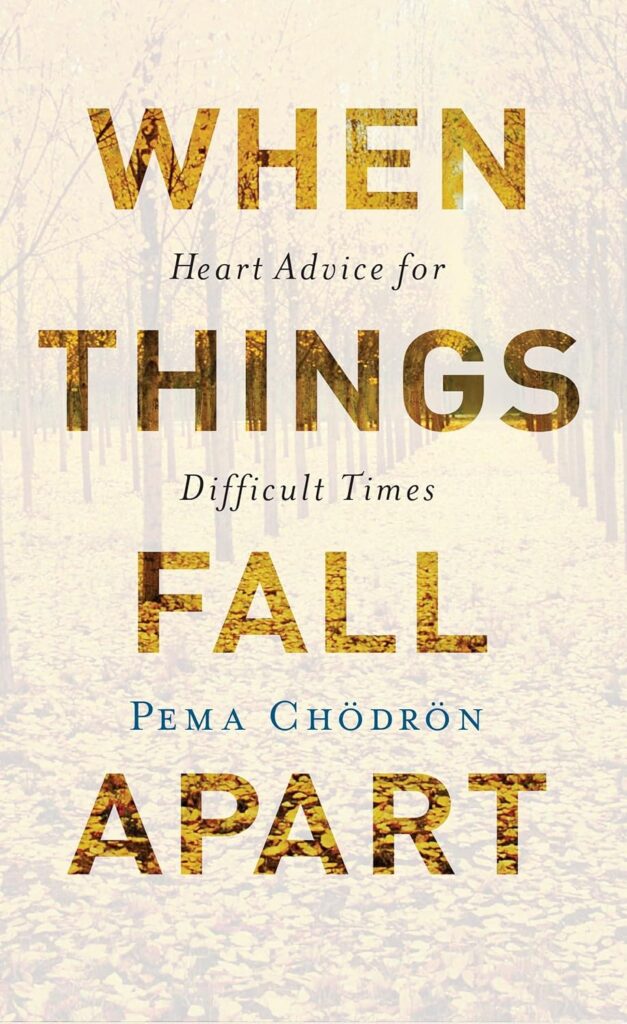
When Things Fall Apart by Pema Chödrön
Genre: Spirituality / Buddhism
American Buddhist nun Pema Chödrön offers compassionate advice on how to deal with painful emotions and life’s inevitable crises, not by avoiding them, but by leaning into them.
Who Is This Book For?
People going through a breakup, loss, or major failure. It is for anyone who feels like the ground is dissolving beneath their feet.
Key Takeaways or Themes:
- Lean into Fear: The only way to ease fear is to move toward it, not away from it.
- Impermanence is Good News: The fact that things fall apart is actually a kind of test and also a kind of healing.
- Maitri (Loving-Kindness): The practice of unconditional friendship with oneself, flaws and all.
What Makes It Stand Out:
Chödrön’s tone is like that of a wise, funny, and non-judgmental grandmother. She de-mystifies Buddhist concepts and makes them practical for the messy reality of modern life.
Pros & Cons:
- Pros: Deeply comforting, realistic, and free of “toxic positivity.” It teaches you to sit with pain rather than fix it immediately.
- Cons: The concept of “hopelessness” as a positive starting point can be hard for some Western readers to grasp initially.
Reader Reviews Snapshot:
Readers describe it as a “lifeline” during divorce and grief. Many keep a copy on their nightstand to read a page or two whenever anxiety strikes.
Final Thoughts:
A gentle, fearless guide. It teaches us that “falling apart” is not the end of the story, but the beginning of a more authentic one.
Where to Get It:
Final Thoughts: Books to Heal in 2026
In 2026, we do not need more information; we need more wisdom. These five books offer more than just words on a page—they offer a lineage of resilience. They remind us that while our pain is personal, it is not solitary. We are part of a vast human history of surviving, searching, and eventually, healing.
May these pages hold you when the world feels too heavy.
Which timeless book do you turn to for comfort? Let us know in the comments.
Conntact us: We would love to hear from you! Here’s how you can reach us:
Feel free to reach out with any questions, conce


