


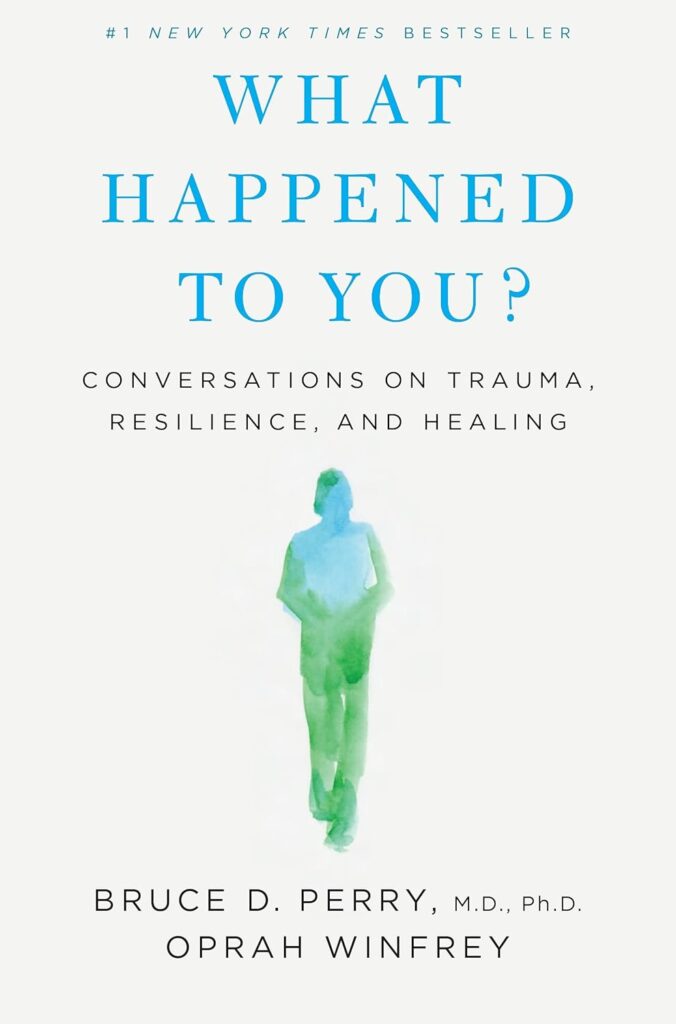
Instead of asking “What is wrong with you?” this groundbreaking book invites readers to ask “What happened to you?” Through a series of intimate conversations, Oprah Winfrey and neuroscientist Dr. Bruce Perry explore how early life experiences—specifically trauma—physically shape our brains and dictate our adult behaviors. It is a compassionate guide to understanding why we do what we do, blending storytelling with accessible neuroscience.
What Happened to You?: Conversations on Trauma, Resilience, and Healing
Who Is This Book For?
- Individuals struggling with self-blame: Anyone who feels frustrated by their own reactive behaviors or emotional struggles.
- Trauma Survivors: Readers looking to understand their past and find a path toward healing without feeling “broken.”
- Parents and Educators: Those seeking to understand the behavioral patterns of children and how to nurture resilience.
- Psychology Enthusiasts: Readers interested in how the brain develops and processes stress, but who prefer a conversational tone over a textbook style.
Key Takeaways or Themes:
- The Paradigm Shift: The core message is shifting the lens from judgment (“What’s wrong with you?”) to curiosity and empathy (“What happened to you?”).
- Regulation Before Reason: Dr. Perry explains that you cannot reason with someone who is dysregulated. You must first help them regulate (calm the body), then relate (connect emotionally), and finally reason (use logic).
- The Brain is Sequential: Trauma impacts the lower, primitive parts of the brain first. Healing requires addressing these lower brain functions through rhythm and connection before cognitive therapy can work effectively.
- Resilience is Relational: We are not healed in isolation. Healing happens through relationships and community, highlighting the power of love and connection in rewiring the brain.
What Makes It Stand Out:
Unlike standard self-help books that are often prescriptive or preachy, this book is structured as a literal transcript of a conversation.8 It reads like an extended, high-value podcast episode between two friends—one a global media icon and the other a leading brain expert. Oprah’s vulnerability in sharing her own painful history acts as a bridge, making Dr. Perry’s complex clinical insights feel personal, relatable, and easy to digest.
Pros & Cons:
Pros:
- Accessible Science: Dr. Perry simplifies complex neuroscience (like the hierarchy of brain organization) into easy-to-understand diagrams and concepts.
- ** deeply Validating:** For many readers, the book offers immediate relief from shame by explaining that their reactions are biological adaptations, not character flaws.
- Conversational Format: The Q&A style breaks up the text, making it a faster read than dense psychology books.
Cons:
- Potential Triggers: Because it deals with abuse, neglect, and trauma, some sections may be emotionally difficult for sensitive readers.
- Structure: The conversational flow can sometimes feel less organized than a traditional chapter-by-chapter “how-to” guide.
🔹 Reader Reviews Snapshot:
Readers consistently describe this book as “life-changing” and “validating,” with many noting that it helped them forgive themselves for past behaviors. The audiobook version is frequently highlighted as a standout experience since it is narrated by Oprah and Dr. Perry themselves.10 However, a minority of readers felt the book focused heavily on childhood development and wanted more actionable steps for adult healing.
What Happened to You?: Conversations on Trauma, Resilience, and Healing
What Happened to You? is an essential read for anyone seeking to understand the “why” behind human behavior. It bridges the gap between clinical science and emotional reality, offering a lens of empathy that is rare in the self-help genre. If you have ever felt confused by your own reactions or the actions of those you love, this book provides the scientific context to move from self-blame to self-compassion.
Contact us
We would love to hear from you! Here’s how you can reach us:
Feel free to reach out with any questions, concern, or questions.


